M.a.s.s. C.o.m.m.u.n.i.c.a.t.i.o.n.s.
THE RISING AWARENESS JOURNEY: Healing The Human Race from racism and related social constructs one person and conversation at a time.


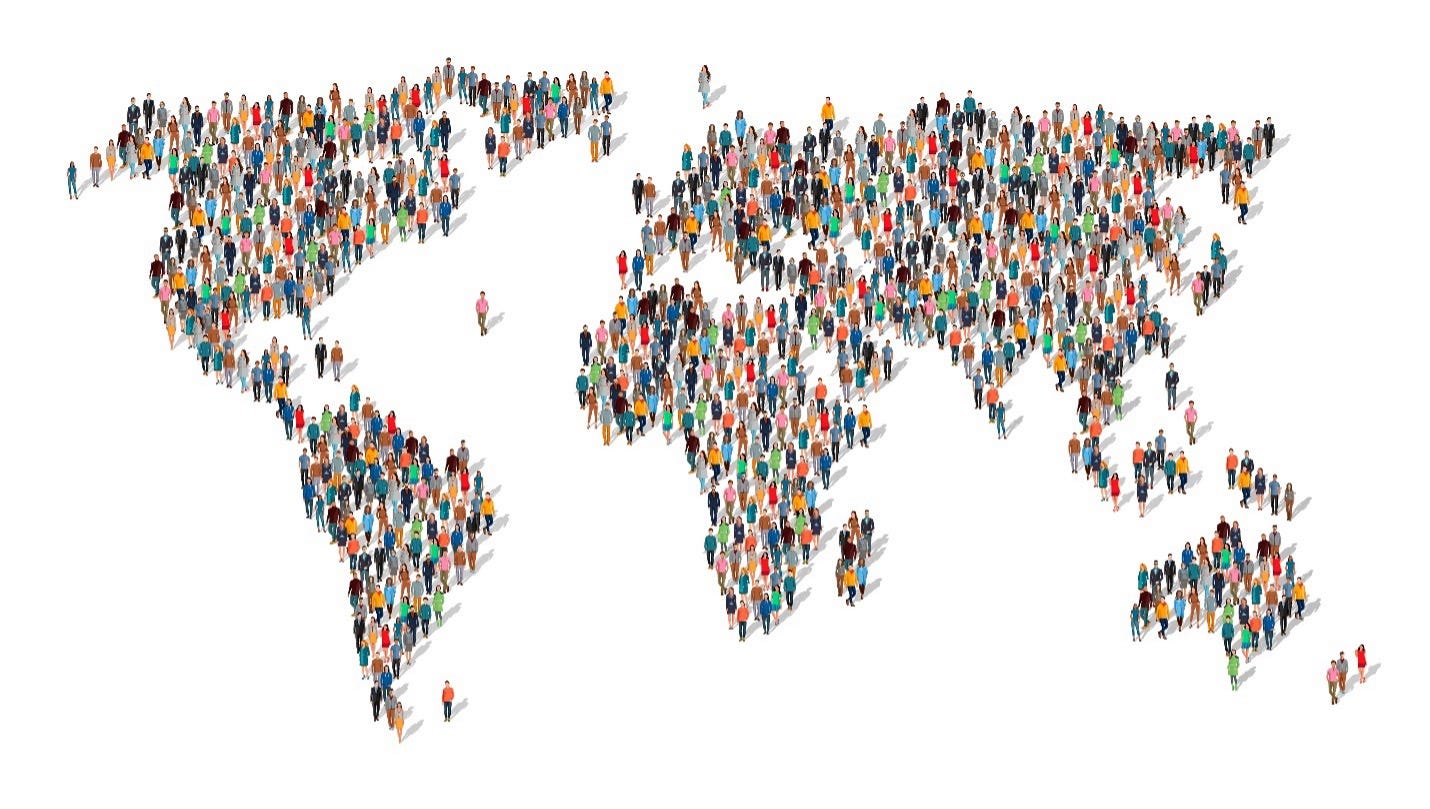
It’s time…
It’s time to Move. It’s time to Act. It’s time to Speak and make a Shift in order to Change Observed Major Miscommunications so that you can effectively Unravel and Neutralize Ideologies that are Common, Acknowledging Triggers while Improving the lives of those marginalized as they Overcome transformative Negative Stereotypes.
M.A.S.S. C.O.M.M.U.N.I.C.A.T.I.O.N.S.
It’s time!
The world has been in a heightened state of cultural disruption since 2016. The significant disruptions to our worldwide cultural issues are fueled mainly by a growing awareness of the casteism, racism, cultural differences, and social challenges that have been and continue to be a part of our history. This awareness has led to a renewed focus on advocacy, allyship, accompliceship, and activism with a method of accountability to address our challenges. Let’s focus on allyship as it pertains to mass communications though.
With the development of the Internet and the proliferation of digital media in the 21st century, almost every aspect of mass communication has again changed dramatically. Now anyone can participate in the public forum through social media, blogs, and other online platforms. The effect of this more diverse and decentralized media landscape has been the dissemination of a broader range of voices and perspectives.
This age of information has also led to concerns about the spread of misinformation and “fake news.”
To effectively move, act, speak and cause a shift, let’s take a look at what “mass communication” really is.
Mass communication encompasses various forms and mediums used to convey information to large audiences. Here are some key types:
1. Print Media: Newspapers, magazines, brochures, and other printed materials.
2. Broadcast Media: Television and radio, which transmit content through airwaves.
3. Digital Media: Websites, social media platforms, blogs, and online news outlets that distribute information digitally.
4. Film and Cinema: Movies and documentaries that reach audiences through theaters or streaming platforms.
5. Advertising: Promotional content delivered through various channels, including print, broadcast, and digital.
6. Public Relations: Communication strategies and tactics used by organizations to build relationships with the public.
7. Multimedia: Integrating various formats (text, audio, video) to create engaging content.
8. Podcasts: Audio programs distributed online that can cover a wide range of topics.
Each type serves different purposes and reaches diverse audiences, shaping public perception and culture.
Mass communication plays a crucial role in fostering allyship by amplifying voices, raising awareness, and mobilizing support for marginalized communities. Here are some key ways it contributes to allyship:
1. Awareness and Education: Mass communication platforms, such as social media, news outlets, and documentaries, can inform the public about social issues, injustices, and the experiences of marginalized groups. This education is essential for allies to understand the struggles faced by others.
Examples of activity:
Workshops and Seminars: Organize or participate in workshops that focus on genuine diversity, equity, inclusion, and belonging topics.
Book Clubs: Start or join a book club that focuses on works by authors from marginalized communities.
Online Courses: Enroll in courses that address mass communication strategies and social justice issues.
Personal Development: Engage in self-reflection to identify biases and work actively to address them.
2. Visibility: It helps bring visibility to underrepresented voices and issues, ensuring they are heard and recognized. This visibility can challenge stereotypes and promote empathy.
Examples of activity:
Social Media Campaigns: Create or join campaigns that promote awareness about specific issues affecting marginalized groups.
Petition Drives: Start or support petitions that advocate for policy changes benefiting underrepresented communities.
Public Speaking: Volunteer to speak at events, sharing knowledge and experiences that highlight the importance of allyship.
3. Community Building: Mass communication fosters connections among allies and marginalized groups, creating a sense of community and solidarity. Online platforms allow for shared experiences and support.
Examples of activity:
Volunteer Work: Get involved with local organizations that support marginalized communities.
Mentorship Programs: Offer mentorship to individuals from underrepresented backgrounds in your field.
Networking Events: Attend and promote events that focus on inclusivity and diversity in professional settings.
4. Mobilization: Campaigns and movements that use mass communication effectively can mobilize people for protests, advocacy, and other forms of activism, encouraging collective action.
Examples of activity:
Diverse Representation: Advocate for diverse voices and perspectives in media and communication projects.
5. Narrative Change: By promoting alternative narratives, mass communication can shift public perceptions and challenge dominant narratives that perpetuate inequality.
Examples of activity:
Content Development: Create blogs, podcasts, or videos that address issues of mass communication and allyship.
Storytelling Initiatives: Initiate projects that allow marginalized voices to share their stories through various media.
6. Resource Sharing: It provides a means to share resources, information, and tools for allyship, helping individuals take actionable steps toward supporting marginalized communities.
Examples of activity:
Feedback Mechanisms: Establish channels for receiving and giving constructive feedback on communication practices related to allyship.
Support Groups: Join or create support groups focused on fostering allyship and discussing challenges.
Overall, mass communication is a powerful tool that can enhance understanding, promote inclusivity, and drive meaningful social change through allyship.
If you are feeling overwhelmed or intimidated, don’t be. Consider creating a Rising Awareness Connection Circle or create your own. Borrowed from the traditions of the Talking Circle and common among indigenous people of North America, Connection Circles are an ancient, indigenous tradition that creates space “to solve problems, to support and connect at a deeper level with one another.” Such processes still exist today among indigenous people globally. And the Rising Awareness Journey (RAJ) train utilizes such a practice to create space for restorative vs. punitive justice work, i.e, tearing down walls and barriers, deep active and empathetic listening, sharing experiences and stories, building trust, love (agape), healing and peacebuilding via activism.
Members of a Rising Awareness Journey Connection Circle will:
• Gain insight and "rise awareness" into the impact of their conversations with the goal to consistently elevate conversations from transactional and/or positional to transformational conversations.
• Integrate new relational, conversational strategies and essential Rising Awareness principles, practices, and methodologies.
• Develop skills that will enable them to effectively navigate through conversations about racism and related social constructs, emphasizing co-creating relationships to connect first human to human and then converse, coach, advise, facilitate, etc.
• Gain mastery in Rising Awareness’ Five A's (Awareness, Allyship, Accomplice, Activism, Accountability) and core competencies.
• Reinforce their learning through The Rising Awareness Journey Connection Circle activities.
It’s time to take that first step. Click here for more information: risingawareness.org
This article continues a series advocating that in all of our interactions, we pause and intentionally “co-create relationships to connect first - Human to Human.” We invite you to join The Rising Awareness Journey, engage in critical thinking, and participate in meaningful conversations that will align you with an international multiethnic community of like-minded, like-spirited individuals who are critical thinkers and genuinely care about actively making our world a better place for ourselves, our children, and future generations.
The views, thoughts, and opinions found in this article are those belonging to the authors and are provided for informational and educational thought-provoking value.
“Co-creating relationships to connect first, Human to Human.”
About the Authors:
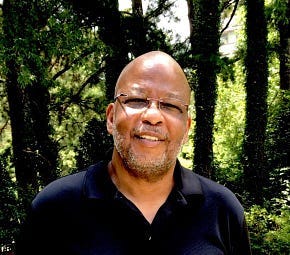
Perry Rhue – The Rising Awareness Journey Founder, Executive Coach-sultant & Professional Thought Partner

Lauren Davis – Clinical Psychologist, Executive Coach-sultant, Mental Health Activist & Professional Thought Partner

Ken Sawyer – Advertising Executive, Media Planner, Consultant & Professional Thought Partner
 | A guest post by
|